The Male Grooming Store Revolution That’s Changing How Men Shop
The male grooming industry has undergone a profound transformation, evolving from a niche market into a sophisticated retail powerhouse generating over $80 billion globally. What was once dismissed as vanity has become an essential component of the modern man’s lifestyle, driven by shifting cultural attitudes, breakthrough product innovation, and a fundamental redefinition of masculinity itself.
Walk into any premium retailer today and you’ll encounter dedicated male grooming sections that rival their female counterparts in both scale and refinement. This isn’t merely about shaving anymore. The contemporary landscape encompasses specialized skincare systems, precision styling tools, sustainable formulations, and personalized regimens that acknowledge what discerning men have always known: quality grooming reflects self-respect, not superficiality.
The retail trends shaping this space reveal fascinating insights about where the industry is heading. Brick-and-mortar stores are investing heavily in experiential elements, offering consultation services and try-before-you-buy opportunities that e-commerce cannot replicate. Meanwhile, direct-to-consumer brands are disrupting traditional distribution models, forcing heritage names to innovate or risk obsolescence.
For the sophisticated consumer, understanding these trends means making informed purchasing decisions. For entrepreneurs and industry observers, it signals lucrative opportunities in an expanding market. This analysis examines the forces reshaping male grooming retail, from breakthrough product categories to the shopping behaviors defining tomorrow’s marketplace, providing the intelligence needed to navigate this dynamic landscape with confidence.
From Drugstore Aisles to Curated Experiences
The landscape of male grooming retail has undergone a remarkable transformation over the past decade. Not long ago, men’s grooming options were relegated to a single aisle in drugstores, wedged between women’s beauty products and basic hygiene essentials. The message was clear: grooming was functional, not aspirational. Today’s retail environment tells a different story entirely.
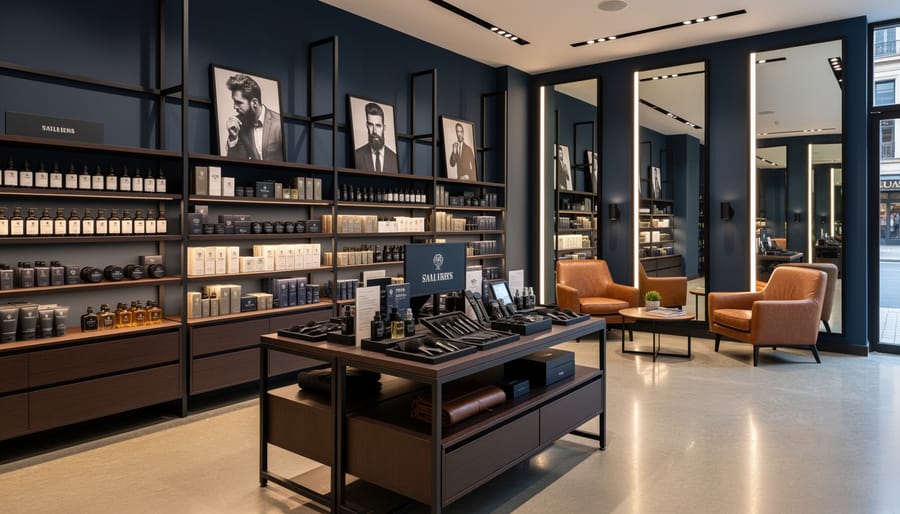
Walk into any major shopping district in London, New York, or Tokyo, and you’ll encounter dedicated grooming boutiques designed specifically for the modern man. These aren’t simply stores that sell products; they’re carefully designed environments that recognize grooming as an integral part of a sophisticated lifestyle. The shift reflects broader cultural changes in how men approach self-care and personal presentation.
The male grooming sector has evolved from an afterthought into a legitimate lifestyle category, with the global market expected to reach $115 billion by 2028.
This growth hasn’t emerged in a vacuum. Consumer expectations have fundamentally shifted. Today’s discerning customer seeks more than just a tube of shaving cream; he expects product transparency, ingredient knowledge, and personalized recommendations. The traditional model of generic shelf displays and minimal guidance no longer satisfies a generation that values expertise and authenticity.
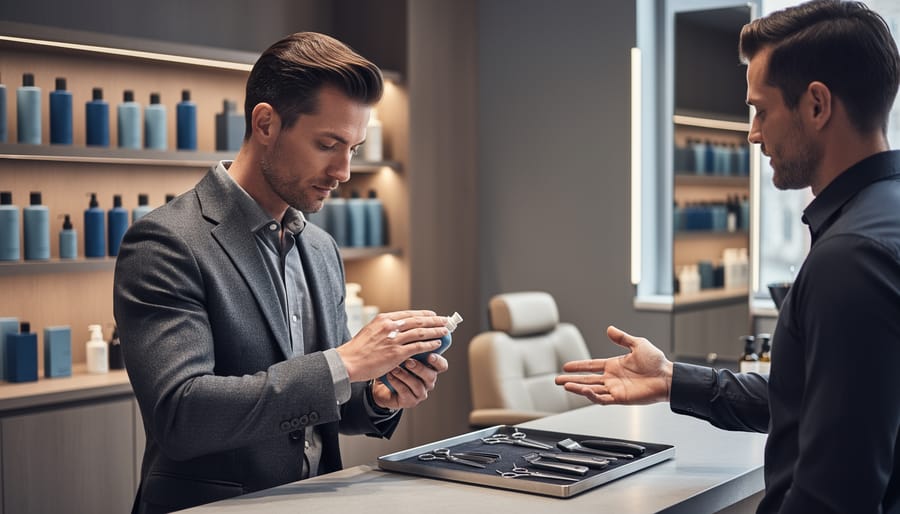
Specialized grooming retailers have responded by creating immersive experiences. Staff members receive extensive training in product knowledge and skin science. Store layouts emphasize discovery and education rather than quick transactions. Testing stations allow customers to experience textures and scents before purchasing. Some establishments even incorporate barber chairs or treatment rooms, blending retail with service.
This evolution represents more than commercial opportunism. It acknowledges that modern men deserve the same level of attention, curation, and respect that beauty retail has long offered women. The grooming space has matured into a category that honors both the ritual and the results.
What Today’s Male Grooming Stores Are Getting Right
The Rise of Clean and Transparent Formulations
The modern gentleman’s approach to grooming has evolved beyond surface-level concerns. Today’s discerning consumer wants to know exactly what he’s applying to his skin, and retailers are taking notice. The clean beauty movement, once relegated to niche boutiques, has become a defining force in mainstream grooming retail.
Leading stores now dedicate entire sections to products that meet rigorous transparency standards. This shift reflects a fundamental change in how consumers expect ingredient transparency, with men increasingly scrutinizing labels for potentially harmful additives. The result is a retail landscape where brands must substantiate their claims or risk irrelevance.
What defines this new standard? Forward-thinking retailers are curating selections based on several key criteria:
- Plant-based active ingredients like adaptogens and botanical extracts
- Certifications including organic, cruelty-free, and vegan designations
- Exclusion of parabens, sulfates, and synthetic fragrances
- Sustainable packaging with recyclable or biodegradable materials
- Third-party verification from organizations like EWG or Leaping Bunny
Smart retailers understand this isn’t merely about jumping on a trend. The integration of clean beauty sections represents a strategic response to informed consumers who refuse to compromise between efficacy and integrity. Brands like Aesop and Grown Alchemist have demonstrated that sophisticated formulations needn’t sacrifice performance for purity. This paradigm shift has elevated the entire category, forcing legacy brands to reformulate while creating opportunities for innovative newcomers who prioritize both results and responsibility.
Personalization and Custom Consultations
The era of generic product recommendations is rapidly fading from the modern grooming retail landscape. Today’s leading establishments recognize that skin chemistry, lifestyle factors, and personal concerns vary dramatically from one individual to another, prompting a shift toward bespoke service models that deliver genuinely tailored solutions.
Advanced skin analysis technology now anchors many high-end grooming consultations. Specialized devices measure hydration levels, assess sebum production, and identify specific skin concerns—from sensitivity to early aging markers—providing objective data that informs product selection. This clinical approach removes guesswork and ensures recommendations address actual needs rather than perceived ones.
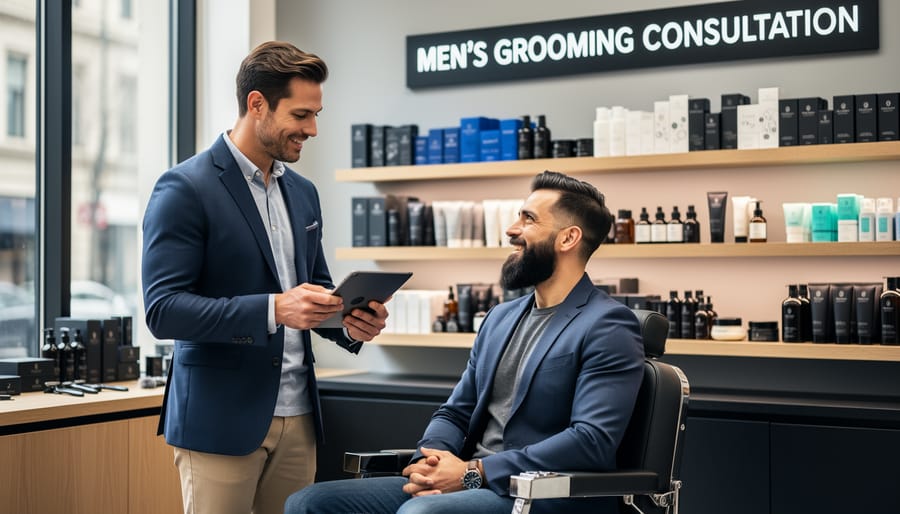
The consultation process itself has evolved beyond simple product pushing. Knowledgeable staff—often with esthetician training or dermatological backgrounds—conduct comprehensive assessments that consider factors like climate, stress levels, travel frequency, and existing routines. These conversations frequently extend beyond skincare into fragrance selection, hair care regimens, and grooming tool recommendations, creating cohesive personal care strategies.
Some retailers have introduced membership programs that include periodic check-ins and seasonal routine adjustments, acknowledging that grooming needs shift throughout the year. Others offer virtual consultations for busy professionals who appreciate expert guidance without the time commitment of in-store visits.
This personalized approach transforms shopping from a transactional experience into an investment in self-care expertise. For discerning consumers, the value proposition extends well beyond the products themselves—it’s access to professional knowledge that helps navigate an increasingly complex marketplace with confidence and clarity.
Tech-Enhanced Shopping Environments
The modern grooming retail experience increasingly resembles a high-tech wellness clinic rather than a traditional store. Leading retailers are deploying augmented reality mirrors that allow customers to preview different hairstyles or facial hair configurations before committing to a change. These digital tools eliminate the guesswork that often accompanies grooming decisions, offering a risk-free exploration of new looks.
Perhaps most transformative are the skin diagnostic stations appearing in premium male grooming spaces. Using advanced imaging technology, these systems analyze everything from hydration levels to sun damage, generating personalized product recommendations based on actual data rather than sales intuition. The result is a consultative experience that feels genuinely tailored to individual needs.
Virtual consultations have also found their place in physical stores, connecting customers with specialist dermatologists or master barbers who might not be on-site. This hybrid approach expands expertise beyond geographical limitations while maintaining the tangible benefits of in-store shopping. Some retailers are even incorporating scent profiling technology, helping men navigate fragrance selections through objective analysis rather than overwhelming trial and error. The integration of these technologies doesn’t diminish human expertise but rather amplifies it, creating shopping experiences that are both data-driven and deeply personal.
Subscription and Membership Models
The grooming retail landscape is increasingly embracing subscription and membership models as sophisticated alternatives to traditional one-time purchases. Leading stores now offer curated monthly boxes that deliver personalized product selections based on individual preferences and skin types, eliminating the guesswork from routine maintenance. These services typically include premium samples, full-size products, and exclusive access to new launches before they hit retail shelves.
Membership programs have evolved beyond simple discount structures. Progressive retailers are building communities around their offerings, providing members with complimentary consultations, priority booking for grooming services, and invitations to exclusive educational events with industry experts. This approach transforms the transactional nature of shopping into an ongoing relationship that delivers continuous value.
The appeal lies in convenience and discovery. Subscription services introduce customers to brands and products they might not otherwise encounter, while memberships create a sense of belonging to a discerning community. For retailers, these models generate predictable revenue streams and valuable data about customer preferences, enabling them to refine their offerings and maintain relevance in an increasingly competitive market.
The Product Categories Driving Store Growth
Skincare Takes the Lead
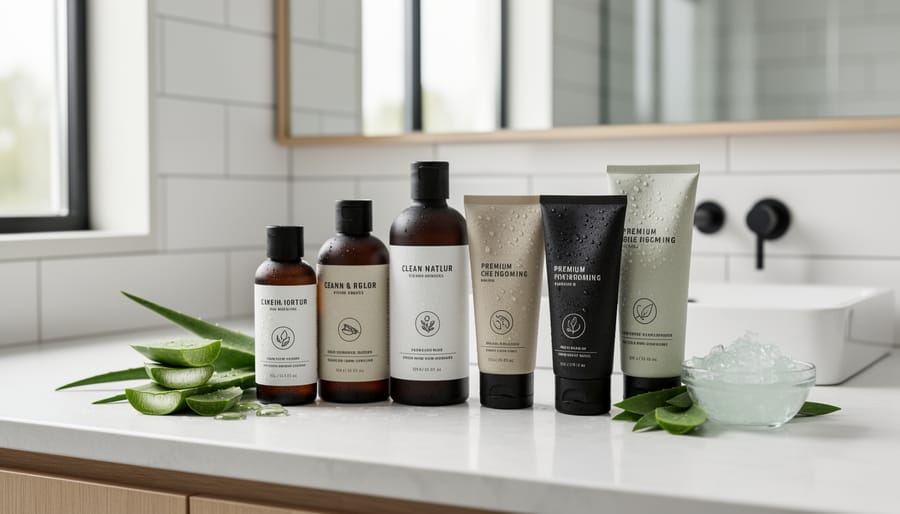
The transformation of men’s skincare from niche afterthought to retail centerpiece represents perhaps the most significant shift in contemporary grooming stores. Walk into any forward-thinking men’s grooming destination today, and you’ll find dedicated skincare sections rivaling those in premium beauty retailers, stocked with vitamin C serums, hyaluronic acid moisturizers, and retinol treatments that would have seemed inconceivable a decade ago.
This evolution reflects a fundamental change in how men approach skin health. Daily SPF is no longer negotiable—it’s expected. Anti-aging treatments have shed any stigma, with eye creams and peptide serums becoming routine purchases for men in their thirties and beyond. The vocabulary has evolved too; customers now confidently discuss concerns like hyperpigmentation, barrier repair, and collagen production.
Leading retailers report that multi-step skincare routines, once dismissed as excessive, now represent their fastest-growing category. The difference lies in education. Quality grooming stores employ knowledgeable staff who can explain why a targeted treatment matters, how ingredients work synergistically, and which products deliver measurable results. This consultative approach transforms skincare from intimidating to accessible, allowing men to build personalized regimens that address their specific concerns without unnecessary complexity.
Beard Care and Beyond
The beard care category has matured significantly beyond the saturated market of artisanal oils that dominated a decade ago. Today’s sophisticated consumer expects products that deliver measurable results, backed by dermatological research rather than just aesthetic appeal.
Professional-grade styling tools now rival traditional barbershop equipment. Heated beard straighteners, precision trimmers with multiple guard settings, and ionic blow dryers designed specifically for facial hair have transformed home grooming into a salon-quality experience. These implements address the reality that modern beard maintenance requires the same technical proficiency as scalp hair styling.
Growth treatments represent perhaps the most notable evolution, moving from dubious claims to formulations containing clinically studied ingredients like biotin, caffeine, and peptide complexes. Leading brands now collaborate with trichologists to develop serums that genuinely support healthier, fuller growth patterns.
The shift extends to maintenance products as well. Conditioning balms now feature hold ratings similar to hair pomades, while leave-in treatments incorporate UV protection and anti-pollution technology. Specialized combs crafted from materials like sandalwood or carbon fiber cater to different beard textures and styling needs, reflecting an understanding that facial hair grooming deserves the same nuanced approach as any other aspect of men’s personal care.
Wellness Integration
The boundaries of modern grooming retail are expanding well beyond topical applications. Progressive stores now recognize that external grooming represents just one dimension of personal maintenance, prompting sophisticated integrations with broader wellness categories.
Adaptogenic supplements designed to address stress, sleep quality, and skin health from within have become natural companions to premium skincare lines. Forward-thinking retailers curate ingestible products with the same rigor they apply to topical formulations, understanding that discerning customers appreciate the inside-out approach to appearance and vitality.
Aromatherapy has emerged from niche status to mainstream acceptance, with essential oil diffusers and therapeutic blends occupying prominent retail space. These products address the growing male interest in environmental wellness and stress management, extending the grooming experience beyond the bathroom counter into living and working spaces.
Self-care tools represent another significant expansion area. Jade rollers, gua sha implements, percussion massage devices, and red light therapy panels now complement traditional grooming implements. These items signal a fundamental shift in male consumer attitudes, reflecting comfort with ritualistic self-maintenance practices once considered exclusively feminine territory.
This wellness integration responds to a more holistic consumer mindset, where grooming stores function as curated lifestyle destinations rather than simple product dispensaries. The most successful retailers position themselves as partners in comprehensive self-improvement, not merely vendors of cosmetic solutions.
The Store Design Philosophy That Actually Works
The most successful male grooming retailers have abandoned the clinical pharmacy aesthetic that dominated the category for decades. Instead, they’re embracing what industry insiders call “residential comfort”—spaces that feel more like a well-appointed home library than a traditional retail environment.
Consider the approach taken by Aesop and Fellow Barber, two brands that have fundamentally reimagined the shopping experience. These spaces feature warm wood tones, tactile materials like brass and stone, and lighting designed to flatter rather than illuminate with surgical precision. The underlying philosophy is simple: men are more likely to explore and experiment when they feel genuinely comfortable, not when they’re navigating fluorescent-lit aisles under time pressure.
The layout itself deserves equal attention. Progressive retailers are moving away from overwhelming product walls toward curated vignettes that tell stories. You might find shaving essentials grouped with artisanal towels and a quality mirror—not because it drives add-on sales, but because it demonstrates how these products exist within a broader grooming ritual. This contextual merchandising helps demystify unfamiliar categories without requiring direct staff intervention.
Digital integration has become equally sophisticated. QR codes now provide ingredient breakdowns and application tutorials without cluttering the physical space with explanatory text. Some stores have introduced fragrance profiling stations where customers can identify scent preferences through simple digital questionnaires, then receive personalized recommendations.
The genius of this design philosophy lies in its subtlety. These spaces don’t announce themselves as revolutionary; they simply remove the friction points that traditionally made grooming retail feel transactional. The result is an environment where browsing feels purposeful rather than aimless, and purchasing feels considered rather than impulsive.
What This Means for Your Grooming Routine
Understanding these retail evolutions empowers you to shop with greater discernment. When you step into a contemporary grooming store, you’re no longer limited to basic shaving cream and aftershave. Look for retailers that organize products by concern rather than category—anti-aging formulations grouped together, for instance, or clarifying treatments for different skin types. This curation approach signals a store’s commitment to education over transaction.
Pay attention to ingredient transparency. Quality retailers now provide detailed information about formulation philosophies, whether that’s clean beauty principles, performance-driven actives, or heritage craftsmanship. Don’t hesitate to ask about sourcing, testing protocols, and what distinguishes premium options from mass-market alternatives. The best stores employ staff who function as consultants rather than salespeople.
Consider the store environment itself as an indicator of quality. Establishments offering personalized consultations, grooming services, or workshop events demonstrate investment in customer relationships beyond the point of sale. These spaces recognize that modern grooming is experiential, not purely transactional.
Finally, embrace the specialty versus convenience calculation. While general retailers stock grooming basics, dedicated stores provide curated selections that reflect current formulation science and cultural shifts. Your grooming routine deserves the same thoughtfulness you apply to wardrobe building—fewer, better-chosen products that deliver measurable results and align with your values.
The evolution of male grooming stores represents far more than a retail trend—it signals a fundamental shift in how men understand and embrace personal care. These specialized spaces acknowledge what discerning gentlemen have long known: quality grooming is neither vanity nor indulgence, but rather an essential component of presenting oneself with confidence and intentionality.
Today’s dedicated grooming retailers have masterfully addressed the modern man’s demand for expertise, authenticity, and premium products. By creating environments that combine barbershop tradition with contemporary retail innovation, these stores have transformed routine purchases into informed decisions guided by knowledgeable professionals. The emphasis on transparency, sustainable sourcing, and performance-driven formulations reflects a customer base that values substance over marketing gimmicks.
What distinguishes the current landscape is its rejection of one-size-fits-all solutions. Whether through personalized consultations, curated product selections, or educational workshops, these establishments recognize that sophisticated self-care requires individual attention. The rise of male grooming stores ultimately validates a simple truth: investing in one’s appearance through quality products and expert guidance isn’t excessive—it’s essential for the man who understands that how he presents himself matters.