
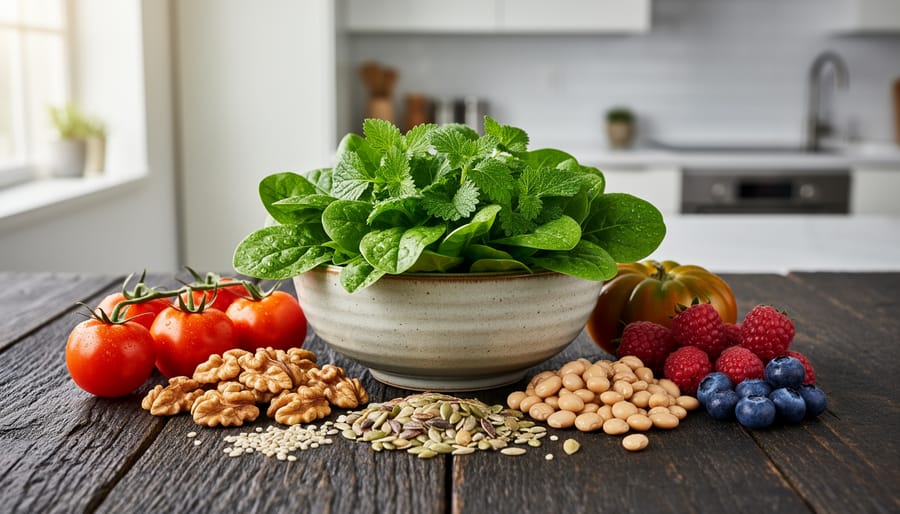
11 Best Foods for Prostate Health in 2026, Ranked by Evidence
Your diet can genuinely influence prostate health, but there’s no silver bullet. Research from Mayo Clinic confirms that no single food will cure prostate cancer or prevent its return, yet long-term eating patterns significantly affect how prostate conditions progress. The answer lies in adopting a plant-based, anti-inflammatory dietary approach that protects both your prostate and cardiovascular system.
This connection between heart and prostate health isn’t coincidental. Many prostate cancer treatments, particularly hormone therapy, increase your risk of heart disease, weight gain, diabetes, and osteoporosis. Meanwhile, diets heavy in saturated fats (think red meat, full-fat dairy, processed foods) and trans fats (packaged snacks, many baked goods) drive inflammation and correlate with worse prostate outcomes.
The sophisticated approach recognizes that sustainable eating habits outperform temporary dietary fixes. Rather than chasing miracle ingredients, focus on building a foundation of nutrient-dense, whole foods that work synergistically. What follows is a definitive guide to the most beneficial foods for prostate health, ranked and explained with practical application in mind, alongside clear guidance on what to limit or avoid entirely.
How We Ranked These Foods
We ranked these eleven foods using four distinct criteria that matter for real-world results, not marketing hype.
First, we prioritized strength of clinical evidence. Foods backed by multiple peer-reviewed studies and featured in established medical guidelines ranked higher than those supported by preliminary or limited research. This approach ensures you’re building meals around dietary choices with documented benefits rather than internet folklore.
Second, we evaluated each food’s impact on inflammation and cardiovascular health. Mayo Clinic research shows that certain prostate cancer treatments, particularly hormone therapy, increase your risk of heart disease, diabetes, and weight gain. Foods that actively counter inflammation and support heart function serve double duty for men managing or preventing prostate conditions.
Third, we considered practical incorporation into daily eating patterns. A nutrient-dense food you’ll never prepare isn’t helpful. We gave weight to ingredients that fit easily into meals you already enjoy and don’t require specialized cooking knowledge or expensive sourcing. Sustainability matters more than perfection.
Finally, we measured alignment with Mayo Clinic guidelines for prostate cancer progression and prevention. Their evidence-based framework emphasizes that long-term eating patterns influence outcomes far more than any single superfood. Foods that naturally fit a plant-based, heart-healthy approach ranked higher because they support the dietary pattern proven most beneficial for prostate health.
This methodology delivers a credible, actionable list rather than a collection of buzzworthy ingredients that sound impressive but lack substance.
The Foods That Support Prostate Health
1. Cruciferous Vegetables: Your First Line of Defense
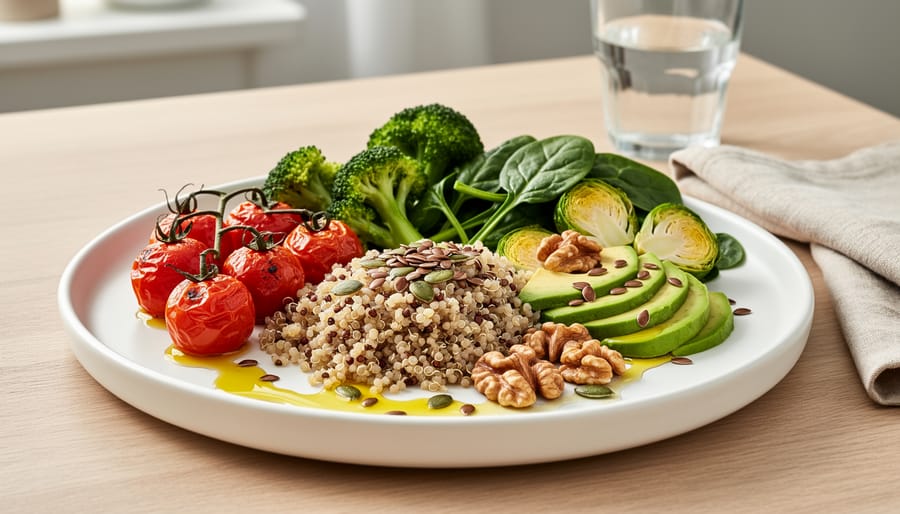
Broccoli, cauliflower, Brussels sprouts, and kale deserve the top spot because they pack the most potent anti-inflammatory compounds in your produce aisle. These vegetables contain sulforaphane and indole-3-carbinol, bioactive compounds that studies suggest may slow prostate cancer cell growth and reduce inflammation at the cellular level.
What makes cruciferous vegetables particularly valuable is their dual benefit: they support the plant-based eating pattern Mayo Clinic recommends for prostate health while actively working against inflammation in your body. Unlike single-nutrient supplements, these whole foods deliver fiber, vitamins C and K, and folate alongside their cancer-fighting compounds.
The practical advantage? They’re incredibly versatile. Roast Brussels sprouts with olive oil until crispy, blend raw kale into morning smoothies, or steam broccoli as a simple side. Cooking actually enhances lycopene absorption in tomatoes, but with cruciferous vegetables, you’ll benefit from both raw and cooked preparations, raw retains maximum sulforaphane, while light steaming makes them easier to eat in larger quantities.
Aim for at least one serving daily. A serving is just one cup raw or half a cup cooked, making this goal achievable whether you’re meal prepping for the week or grabbing lunch on the go. The key is consistency rather than perfection.
2. Tomatoes and Lycopene-Rich Foods: The Red Advantage
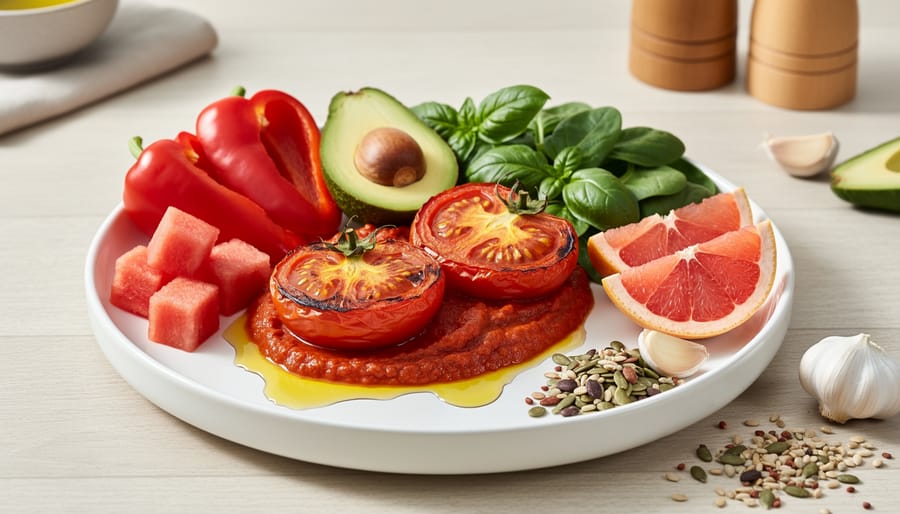
Tomatoes earn their spot near the top of this list because they’re one of the richest sources of lycopene, a carotenoid that gives them their deep red color. Research consistently links higher lycopene intake with better prostate health outcomes, though the mechanism isn’t fully understood. What makes tomatoes particularly valuable is that cooking actually increases lycopene bioavailability, meaning your body absorbs it more efficiently from marinara sauce or roasted tomatoes than from raw cherry tomatoes on a salad.
The key to maximizing lycopene absorption is pairing tomatoes with healthy fats. Drizzle olive oil over roasted tomatoes, add avocado to salsa, or cook your marinara with a generous splash of extra virgin olive oil. Since lycopene is fat-soluble, this simple combination dramatically improves how much your body can use.
Beyond tomatoes, watermelon and pink grapefruit offer lycopene in refreshing forms that diversify your intake throughout the day. A thick wedge of watermelon at breakfast or half a pink grapefruit as an afternoon snack adds variety to your eating pattern without requiring cooking skills or elaborate meal prep. The convenience factor matters when you’re building sustainable long-term habits rather than following a restrictive diet.
3. Fatty Fish: Omega-3 Powerhouses
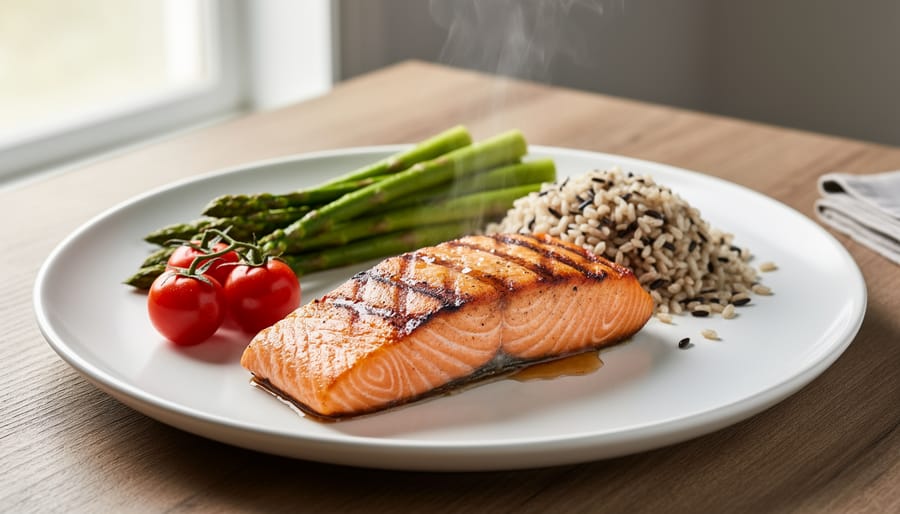
Salmon, mackerel, sardines, and trout deliver EPA and DHA omega-3 fatty acids that actively reduce inflammation throughout your body. These essential fats can’t be manufactured by your system, making dietary sources critical for prostate health.
The anti-inflammatory properties of omega-3s matter doubly here. Research shows these fats support prostate wellness while protecting cardiovascular health, which becomes especially relevant if you’re undergoing hormone therapy for prostate conditions. Mayo Clinic notes that some prostate cancer treatments, particularly hormone therapy, can increase the risk of heart disease, weight gain, diabetes, and osteoporosis. Prioritizing fatty fish addresses both concerns simultaneously.
Aim for two to three servings weekly, about four ounces per meal. Wild-caught salmon provides roughly 1.5 grams of omega-3s per serving, while sardines and mackerel pack similar amounts into smaller, more affordable packages. Trout offers a milder flavor if you’re transitioning away from white fish.
Preparation matters less than consistency. Grilled, baked, or poached fish all retain their omega-3 content. Canned sardines and salmon count fully toward your weekly target and require zero cooking, making them practical options for busy schedules.
If fresh fish feels expensive, frozen fillets offer identical nutritional value at lower cost. The key is building a sustainable pattern that gets omega-3s onto your plate regularly rather than occasionally.
4. Green Tea: The Daily Ritual Worth Adopting
Green tea delivers a concentrated dose of catechins, particularly epigallocatechin gallate (EGCG), which research suggests may influence prostate health through their anti-inflammatory and antioxidant properties. Studies examining populations with high green tea consumption show correlations with lower prostate cancer rates, though researchers emphasize that drinking patterns over years matter more than occasional consumption.
The brewing method affects how much benefit you extract. Steep quality loose-leaf or bagged green tea in water just below boiling (around 175°F) for three to five minutes. Overheating destroys catechins and creates bitterness. Aim for three to four cups daily to approximate the amounts studied in research, and drink it plain or with lemon, adding milk may interfere with catechin absorption.
Match tea is another option, offering higher catechin concentrations because you consume the whole powdered leaf rather than steeping and discarding it. A morning cup becomes part of your anti-inflammatory eating pattern alongside the vegetables, fish, and whole grains already discussed. The ritual itself, taking a deliberate break to prepare and drink tea, reinforces the broader lifestyle shift toward intentional health choices.
5. Beans and Pulses: Plant-Based Protein Champions
Beans and pulses deliver everything your prostate needs from protein without the baggage red meat brings. A cup of cooked lentils packs 18 grams of protein, nearly 16 grams of fiber, and zero saturated fat, the exact nutritional profile that supports the plant-based, anti-inflammatory eating pattern Mayo Clinic recommends for prostate health.
Black beans, chickpeas, kidney beans, and split peas work the same magic. They’re loaded with folate, zinc, and magnesium, minerals that support cellular health, while their high fiber content helps regulate blood sugar and reduces inflammation throughout your body. Since hormone therapy for prostate conditions can increase the risk of heart disease and diabetes, swapping red meat for legumes addresses multiple health concerns at once.
The versatility matters as much as the nutrition. Toss chickpeas into salads, blend black beans into burger patties, simmer lentils into soup, or spread hummus on whole-grain toast. You’re building meals around quality protein that actively supports your prostate instead of working against it. Canned varieties work fine, just rinse them to cut sodium, making this one of the easiest swaps in your dietary shift toward long-term prostate wellness.
6. Whole Grains: Foundation of Heart-Healthy Eating
Whole grains deliver fiber, B vitamins, and minerals while keeping blood sugar steadier than their refined counterparts, an important consideration when hormone therapy can increase diabetes risk. The anti-inflammatory eating pattern Mayo Clinic recommends for prostate health builds on these complex carbohydrates rather than white bread, white rice, and processed cereals that spike insulin and contribute to inflammation.
Quinoa stands out for complete protein and versatility in both hot and cold dishes. Brown rice provides familiar comfort with added fiber and nutrients stripped away during white rice processing. Steel-cut or rolled oats make an ideal breakfast base, delivering soluble fiber that supports heart health alongside prostate wellness. Whole wheat products, actual whole wheat, not “wheat bread” made with refined flour, offer more nutrients and fiber per serving.
The key shift involves replacing refined grains rather than adding whole grains on top of your current intake. Swap white rice for farro in your grain bowl, choose whole grain pasta instead of regular, and read labels carefully, “multigrain” and “wheat” don’t guarantee whole grain content. Look for products listing whole grain as the first ingredient and aim for at least three grams of fiber per serving. This foundation supports the broader plant-based pattern that influences long-term prostate health outcomes.
7. Nuts and Seeds: Convenient Nutrient Density
Nuts and seeds deserve a permanent spot in your rotation because they pack exceptional nutrition into small servings you can eat anywhere. Walnuts lead the group with their unique omega-3 fatty acid profile, the same anti-inflammatory compounds found in fatty fish, making them particularly valuable if you’re limiting animal foods. Flaxseeds and chia seeds deliver fiber, plant-based omega-3s, and lignans that research has explored for their potential role in prostate health. Brazil nuts stand out as one of the most concentrated food sources of selenium, a mineral studied for its antioxidant properties.
The convenience factor matters here. You can toss a handful of walnuts into morning oatmeal, blend chia seeds into smoothies, sprinkle ground flaxseed over salads, or keep mixed nuts in your desk drawer for an afternoon snack. Unlike fresh vegetables that require planning and prep, nuts and seeds stay shelf-stable for weeks and travel easily. Just two Brazil nuts provide your daily selenium needs, and a tablespoon of ground flaxseed adds omega-3s without changing the taste of most dishes. These small additions accumulate into meaningful contributions to the plant-based eating pattern that supports long-term prostate health.
8. Berries: Antioxidant-Rich Additions
Strawberries, blueberries, raspberries, and blackberries deliver concentrated antioxidant compounds, particularly anthocyanins and ellagic acid, that research links to reduced inflammation and cellular protection. These berries fit naturally into the anti-inflammatory eating pattern that supports prostate health, offering sweetness and fiber without the refined sugars and processed ingredients that Mayo Clinic associates with worse outcomes.
Fresh berries work best, but frozen varieties retain most of their nutrients and provide year-round convenience. A half-cup serving gives you substantial antioxidant benefits along with several grams of fiber, supporting the digestive health that matters when you’re building a plant-based approach.
Add berries to morning oats, blend them into smoothies, or eat them plain as a snack replacement for packaged sweets. Their versatility makes them an easy daily addition rather than an occasional treat. Because they’re relatively low in natural sugars compared to tropical fruits, berries won’t spike blood sugar, a consideration if you’re managing weight or diabetes risk alongside prostate health concerns.
Buy what’s in season for the best flavor and value, and don’t overthink which berry ranks highest. Variety across the week matters more than choosing a single champion.
9. Colorful Vegetables: Daily Variety Matters
Different colored vegetables pack different phytonutrients, which is why eating across the color spectrum matters for comprehensive prostate support. Bell peppers deliver vitamin C and carotenoids, red and orange varieties contain more of these compounds than green. Carrots and sweet potatoes provide beta-carotene, an antioxidant that converts to vitamin A in your body. Dark leafy greens like spinach offer folate, magnesium, and lutein.
The practical advantage here is flexibility. You’re not locked into specific vegetables; you’re aiming for visual variety throughout the week. A mix of orange, red, yellow, green, and purple vegetables ensures you’re covering different nutrient profiles that work together to reduce inflammation and support cellular health.
Rotate your choices rather than eating the same three vegetables on repeat. Roast a tray of mixed vegetables, butternut squash, purple cabbage, red onion, drizzled with olive oil. Toss raw spinach into smoothies or eggs. Keep pre-cut vegetables ready for quick stir-fries or salads. The goal is consistent diversity, not perfection with every single meal.
10. Extra Virgin Olive Oil: The Mediterranean Staple
Extra virgin olive oil earned its place in the Mediterranean diet centuries before researchers understood why it works. The answer lies in its monounsaturated fat profile, which replaces the saturated and trans fats that Mayo Clinic links to increased inflammation and potentially worse prostate outcomes.
When you drizzle olive oil over vegetables or use it to sauté fish, you’re choosing a fat that actively supports the anti-inflammatory dietary pattern recommended for prostate health. Unlike the saturated fats in red meat and full-fat dairy, or the trans fats lurking in packaged snacks, olive oil provides fatty acids that don’t trigger the inflammatory cascade associated with prostate cancer progression.
The key is substitution, not addition. Replacing butter, margarine, and vegetable oils with extra virgin olive oil shifts your overall fat intake toward the heart-healthy pattern that matters when hormone therapy already increases cardiovascular risk. Look for bottles labeled “extra virgin” for the highest polyphenol content, and store them in a cool, dark place to preserve quality. Two to three tablespoons daily, used in cooking or as a finishing oil, fits comfortably within the eating pattern that supports both prostate and heart health long-term.
11. Soy Foods: Protein with Plant Benefits

Soy foods deserve a place in your prostate-healthy eating pattern despite persistent myths. Tofu, tempeh, edamame, and soy milk provide complete protein with all essential amino acids, making them excellent alternatives to red meat and full-fat dairy, the saturated fat sources Mayo Clinic links to worse prostate outcomes.
The common concern about soy and men’s health stems from confusion about phytoestrogens, plant compounds structurally different from human estrogen. Research shows these compounds don’t negatively affect testosterone levels or prostate function in men. Instead, populations with higher soy consumption historically show favorable prostate health patterns.
Tempeh offers a fermented option with added probiotics and a firmer texture that works well grilled or sautéed. Edamame makes a convenient snack rich in fiber and minerals. Soy milk provides calcium-fortified versatility for smoothies and cooking. Tofu absorbs flavors readily, adapting to stir-fries, scrambles, or marinades.
Start with two to three servings weekly, a serving being a half cup of edamame, three ounces of tofu, or one cup of soy milk. Choose minimally processed options over heavily sweetened soy products. These foods support the plant-based, anti-inflammatory pattern that benefits both prostate and heart health, especially important given hormone therapy’s cardiovascular risks.
Foods to Limit or Avoid
Understanding which foods to minimize is just as important as knowing what to add to your everyday routine. Mayo Clinic guidance points to specific dietary patterns that may increase inflammation and are linked to worse prostate outcomes, particularly for men managing prostate conditions or undergoing treatment.
The evidence centers on foods high in saturated and trans fats. Saturated fats appear primarily in red meat, full-fat dairy products, and many processed foods, while trans fats lurk in packaged snack foods and commercially baked goods. These fats may promote inflammation throughout the body, which becomes especially concerning given that some prostate cancer treatments, particularly hormone therapy, already increase cardiovascular disease risk.
Limiting red and processed meats represents one of the clearest dietary modifications you can make. Consider moderating or avoiding:
- Beef, pork, and lamb, especially fatty cuts and processed versions
- Full-fat dairy products including whole milk, regular cheese, and butter
- Processed meats such as bacon, sausage, hot dogs, and deli meats
- Packaged snack foods containing partially hydrogenated oils
- Commercial baked goods and fried foods high in saturated fats
This doesn’t mean eliminating these foods entirely creates perfection. The goal is shifting your overall pattern toward plant-based choices that support both exercise performance and long-term wellness. Think of it as moving these items from regular staples to occasional choices, making room for the eleven evidence-based foods that actively support prostate health. When you do choose animal products, lean proteins and low-fat dairy options align better with recovery basics your body needs.
Building Your Prostate-Healthy Eating Pattern
Shifting your eating habits doesn’t require an overnight overhaul. Start by adding one new prostate-friendly food each week rather than eliminating everything you enjoy at once. Swap ground beef for lentils in your next batch of chili, or replace your usual breakfast cereal with steel-cut oats topped with berries and walnuts. These incremental changes build momentum without triggering the decision fatigue that derails most diet attempts.
Plan your meals around vegetables and whole grains, treating meat as an accent rather than the centerpiece. A simple formula works for most dinners: fill half your plate with colorful vegetables, one quarter with whole grains or beans, and the remaining quarter with lean protein like fish or tofu. Drizzle everything with olive oil instead of butter. Keep frozen vegetables and canned beans in your pantry so you’re never stuck without options.
The goal isn’t perfection. If you eat a burger at a weekend barbecue, you haven’t undone weeks of better choices. What matters is your baseline eating pattern over months and years, not individual meals. Focus on making the majority of your choices align with the plant-based, heart-healthy approach, and you’ll build a sustainable foundation that supports your prostate health without requiring constant willpower.
How We Chose This List
We built this list by prioritizing clinical evidence over marketing hype. Each food earned its place through published research demonstrating measurable benefits for prostate health, inflammation reduction, or cardiovascular protection, the latter being especially critical given that hormone therapy for prostate conditions significantly increases heart disease risk.
Our ranking weighs four key factors: the strength and consistency of scientific evidence, the food’s impact on both prostate and heart health, how easily it integrates into daily eating patterns without requiring specialty shopping or elaborate preparation, and its alignment with Mayo Clinic’s evidence-based guidelines emphasizing plant-based, anti-inflammatory approaches.
We deliberately focused on whole foods rather than isolated supplements or nutrients, reflecting the Mayo Clinic’s guidance that long-term eating patterns matter more than any single ingredient. Foods rich in saturated fats, found in red meat, full-fat dairy, and processed products, were excluded because research links them to increased inflammation and potentially worse prostate outcomes.
This methodology ensures practical recommendations grounded in evidence, not wishful thinking or supplement industry claims.
Foods for Prostate Health Terms to Know
Understanding the terminology around prostate health helps you make more informed dietary and lifestyle choices. Here are key terms worth knowing:
- Lycopene
- A red pigment and antioxidant found in tomatoes, watermelon, and pink grapefruit that has been studied for its potential protective effects on prostate tissue. Absorption improves when consumed with healthy fats like olive oil.
- Cruciferous Vegetables
- A family of vegetables including broccoli, cauliflower, Brussels sprouts, and kale that contain compounds which may help reduce inflammation and support cellular health in the prostate.
- Omega-3 Fatty Acids
- Anti-inflammatory fats found in fatty fish, walnuts, and flaxseeds that support both cardiovascular and prostate health, particularly important for men undergoing hormone therapy.
- Phytoestrogens
- Plant compounds in soy foods that have weak estrogen-like effects in the body and may offer protective benefits for prostate tissue without the concerns associated with animal estrogens.
- Saturated Fats
- Fats found primarily in red meat, full-fat dairy, and processed foods that Mayo Clinic research links to increased inflammation and potentially worse prostate health outcomes.
These concepts connect to broader men’s health concerns. Prostate wellness relates to vascular health, which is why understanding ED treatment options knowing is ED reversible and exploring therapies like shockwave therapy matters for comprehensive wellness planning.
Common Questions About Diet and Prostate Health
No single food is a miracle cure, but readers often hope for quick fixes when searching for prostate health guidance. These questions reflect the gap between wishful thinking and what the evidence actually supports.
Can food cure prostate cancer?
No. Mayo Clinic makes clear that no single food can cure prostate cancer or guarantee it won’t return, though long-term eating patterns may influence how the disease progresses.
How quickly will dietary changes make a difference?
Prostate health improvements from diet develop over months to years, not weeks. These are long-term patterns that reduce inflammation and support overall wellness rather than overnight transformations.
Do supplements work as well as whole foods?
Whole foods provide fiber, phytonutrients, and combinations of compounds that supplements can’t replicate. The research supporting prostate health focuses on dietary patterns, not isolated nutrients in pill form.
Is it too late to change my diet if I already have prostate issues?
No. Mayo Clinic recommends plant-based, heart-healthy eating for men with prostate cancer specifically because these patterns support both prostate and cardiovascular health, especially important since treatments like hormone therapy increase heart disease risk.
The takeaway from these questions is simple: sustainable eating patterns trump individual superfoods. Men who shift toward more plants, healthy fats, and whole grains while limiting saturated and trans fats from red meat, full-fat dairy, and processed foods position themselves for better outcomes. This approach works whether you’re preventing issues or managing existing conditions, but it requires commitment over time rather than a two-week diet reset. Work with your healthcare team to adapt these principles to your specific situation, especially if you’re undergoing treatment that affects your metabolism or cardiovascular risk.
The eleven foods on this list represent more than isolated nutritional choices. They form the foundation of an eating pattern that supports your prostate health alongside your cardiovascular system, metabolic health, and overall wellbeing. The evidence consistently points in one direction: sustainable, plant-based dietary habits built around these foods offer your best defense.
If you’re managing a prostate condition or undergoing treatment, work closely with your healthcare team to tailor these recommendations to your specific situation. Hormone therapy, radiation, and other treatments can change your nutritional needs, and a personalized approach ensures you’re supporting both your prostate health and managing treatment side effects effectively.
The path forward doesn’t require perfection or radical overnight changes. Start by incorporating more of these eleven foods into your routine while gradually reducing saturated fats, processed meats, and packaged foods that drive inflammation. Small, consistent shifts compound over time.
You’ve got more control over your prostate health than you might realize. The fork you pick up three times a day is a powerful tool. Use it wisely, and you’re investing in decades of better health outcomes and quality of life.