

Is Erectile Dysfunction Always Reversible? Understanding Your Options and Treatment Pathways
Erectile dysfunction is often reversible, but not always. Whether your condition can be fixed depends almost entirely on what’s causing it. If your ED stems from lifestyle factors like poor cardiovascular health, obesity, smoking, or diabetes management issues, targeted interventions can restore function. If it’s rooted in irreversible vascular damage, certain neurological conditions, or severe anatomical problems, treatment focuses on management rather than cure.
The distinction matters because ED isn’t just about sexual performance. It’s frequently an early warning sign of cardiovascular disease, appearing years before a heart attack or stroke. When approximately 34% to 45% of men with diabetes experience ED, and when erectile problems can signal high blood pressure or arterial disease, treating the symptom alone misses the larger health picture.
Your body’s ability to achieve and maintain an erection depends on a complex interplay of blood flow, nerve function, hormones, and psychological state. Compromise any of these systems and function suffers. The good news is that many of the most common culprits respond well to intervention. Cohort studies demonstrate that over half of men who successfully quit smoking report improved erectile function within six months. Similar improvements follow weight loss, increased physical activity, better sleep, and stress reduction.
But reversibility requires an accurate diagnosis first. The evaluation process identifies which factors in your case are modifiable and which aren’t, then builds a treatment strategy around that reality. Understanding what determines your particular situation, what timelines to expect, and when professional help becomes essential makes the difference between frustration and meaningful progress.
Understanding Erectile Dysfunction and Reversibility
Erectile dysfunction is the persistent inability to achieve or maintain an erection sufficient for satisfactory sexual performance. While many men experience occasional difficulty, ED becomes a medical concern when the problem occurs regularly over time. The condition isn’t simply about sexual function; it often serves as a window into broader health issues that deserve attention.
The question of reversibility hinges entirely on what’s causing the problem in the first place. Medical guidelines recommend an evaluation focused on identifying reversible and irreversible underlying factors for anyone presenting with ED. Some causes respond well to intervention, while others represent permanent changes that require management rather than reversal.
Reversible factors typically include lifestyle issues like poor diet, lack of exercise, excess weight, and smoking. Certain medications can also cause temporary ED that resolves when the drug is changed. Psychological factors such as stress, anxiety, or depression may contribute to ED that improves with appropriate treatment. In these cases, addressing the root cause can restore function.
Irreversible factors involve permanent physical changes. Nerve damage from surgery or injury, severe vascular disease that has progressed beyond repair, and certain neurological conditions fall into this category. Even when the underlying cause can’t be reversed, effective treatments exist to manage ED and restore sexual activity.
The medical framework for evaluating reversibility potential starts with a comprehensive assessment. This means looking at your overall health, not just sexual symptoms. Since ED can be an early sign of serious problems like high blood pressure, diabetes, or heart disease, the evaluation process serves dual purposes: determining whether your ED is reversible and catching potentially life-threatening conditions before they advance. All adult men with diabetes should be regularly screened for erectile dysfunction with a sexual function history, given the high prevalence in this population.
Who Can Reverse Their Erectile Dysfunction: Identifying Reversible Causes

The answer to who can reverse their erectile dysfunction isn’t universal, it hinges on what’s causing the problem in the first place. Medical guidelines recommend evaluating patients for both reversible and irreversible underlying factors, and understanding this distinction determines whether you’re looking at genuine reversal potential or lifelong management.
Lifestyle-Related Causes: The Best Candidates for Reversal
Men whose ED stems from modifiable lifestyle factors have the strongest reversal prospects. Exercise, diet, and weight management can reverse erectile dysfunction in cases where poor physical condition is the primary culprit. If you’re carrying excess weight, sedentary, or eating poorly, these factors directly impair blood flow and hormone balance, both crucial for erectile function. Addressing them systematically often restores function without medication.
Smoking presents a particularly reversible cause. Cohort studies show over half of men who successfully quit report improvement in erectile function at six months. That’s a concrete timeline: if you stop smoking now, there’s better than even odds you’ll see measurable improvement by early 2027. The damage smoking inflicts on blood vessels can heal once you eliminate the ongoing injury.
Chronic Conditions: Reversibility with Caveats
Diabetes and cardiovascular factors fall into a more complex category. ED affects approximately 34% to 45% of adult men with diabetes, and erectile dysfunction may be an early clinical indication of cardiovascular disease. Here, “reversible” doesn’t mean you eliminate the underlying condition, it means aggressive management can restore function.
For diabetic men, tight blood sugar control, medication adjustments, and addressing related cardiovascular risk factors can significantly improve erectile function. The same applies to high blood pressure: proper treatment often reverses the ED it causes, though you’re managing the condition rather than curing it.
| Cause Type | Reversibility Potential | Primary Intervention Approach |
|---|---|---|
| Lifestyle factors (weight, inactivity, diet) | High | Exercise, weight loss, nutrition changes |
| Smoking | High | Cessation with documented improvement at 6 months |
| Diabetes or cardiovascular disease | Moderate | Disease management, medication optimization |
| Neurological damage or structural injury | Low to none | Symptom management, assistive treatments |
Conditions with Limited or No Reversal Potential
Some causes simply don’t reverse. Neurological damage from spinal injury, advanced nerve deterioration from poorly controlled diabetes, or structural damage from pelvic surgery often creates permanent erectile limitations. Psychological ED can be treated effectively, but it requires therapy rather than physical intervention.
What matters most is accurate diagnosis. ED can be an early sign of a more serious health problem like high blood pressure, diabetes, or heart disease, which is why all adult men with diabetes should be regularly screened for erectile dysfunction with a sexual function history. The evaluation process determines not just whether your ED is reversible, but what it’s signaling about your overall health.
The Evaluation and Treatment Process: Steps to Determine Your Path
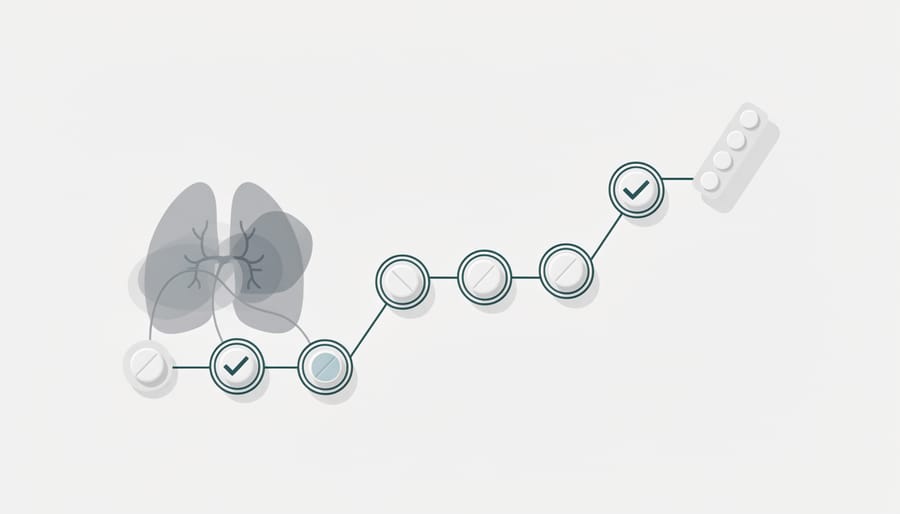
Understanding whether your erectile dysfunction can be reversed starts with a thorough medical evaluation designed to identify both reversible and irreversible factors. This process moves beyond treating symptoms and aims to uncover the root causes affecting your sexual function.
Your doctor will begin with a comprehensive sexual function history. This conversation covers the onset and progression of symptoms, the quality of erections during different circumstances, and any changes in libido or orgasm. For men with diabetes, this screening is particularly important. All adult men with diabetes should be regularly screened for erectile dysfunction with a sexual function history, given that the condition affects approximately 34% to 45% of this population. Your physician will ask about morning erections, which can help distinguish between physical and psychological causes.
The cardiovascular assessment forms a critical component of evaluation because erectile dysfunction may be an early clinical indication of cardiovascular disease. Your doctor will check blood pressure, review cholesterol levels, and may order tests to assess blood vessel health. This connection between ED and heart health means your evaluation serves double duty: determining reversibility potential while screening for serious conditions that require intervention regardless of sexual function.
Diagnostic tests typically include blood work to measure testosterone levels, blood sugar, cholesterol, and markers of kidney and liver function. Your physician may order specialized tests such as nocturnal penile tumescence testing to evaluate nighttime erections, Doppler ultrasound to assess blood flow, or psychological screening if emotional factors appear significant. These tests help map the constellation of contributing factors rather than searching for a single cause.
The decision tree for treatment follows logically from findings. When evaluation reveals reversible lifestyle factors like poor cardiovascular fitness, excess weight, or smoking, your physician will recommend targeted interventions with measurable goals and follow-up timelines. For men with treatable conditions like diabetes or hypertension, optimizing disease management becomes the first priority. If physical damage to blood vessels or nerves appears irreversible, treatment shifts toward management strategies including oral medications, injections, vacuum devices, or at-home shockwave therapy options.
Your physician may recommend addressing multiple factors simultaneously. A man with uncontrolled diabetes, elevated cholesterol, and excess weight might begin medication adjustments, dietary changes, and an exercise program concurrently rather than tackling issues sequentially. This comprehensive approach recognizes that ED often stems from interconnected causes requiring coordinated intervention.
The evaluation also establishes baseline measurements for tracking progress. Recording the severity and frequency of symptoms now creates reference points for assessing whether interventions produce meaningful improvement over the coming months.
What to Expect: Timeline and Responsibilities
Understanding what to expect during your ED treatment journey helps you set realistic goals and stay committed to the process. Recovery timelines vary significantly based on which underlying factors you’re addressing, and your active participation matters more than passive treatment alone.
If you quit smoking, the research offers tangible hope: cohort studies show that over half of men who successfully stop report improvement in erectile function at the six-month mark. Weight loss through diet and exercise typically shows measurable results within three to six months, though cardiovascular improvements that support erectile function may begin earlier. Men addressing diabetes management often see gradual improvement over several months as blood sugar control stabilizes, while those starting medication for hypertension may notice changes within weeks once their prescription is optimized.
Your responsibilities extend beyond taking prescribed medications. Lifestyle modifications demand sustained effort: maintaining weight loss, exercising regularly, avoiding tobacco and excessive alcohol, and managing stress all require ongoing discipline rather than short-term compliance. If your doctor prescribes medication, whether for ED directly or underlying conditions like diabetes or cardiovascular disease, taking it consistently as directed determines whether the treatment can work. Skipping doses or stopping because you don’t see immediate results undermines the entire approach.
Schedule follow-up appointments as recommended, typically within three to six months of starting treatment. These check-ins allow your physician to assess progress, adjust medications, and determine whether your current approach is working or needs modification. If you’ve made genuine lifestyle changes and adhered to prescribed treatments for six months without improvement, that’s your signal to reassess. Your doctor may recommend additional diagnostic testing, refer you to a specialist, or explore treatments like ED shockwave safety protocols or other interventions. The key is distinguishing between insufficient time for results and genuinely ineffective treatment, patience matters, but so does recognizing when a different path is needed.
Red Flags and When ED Signals Serious Health Problems

Erectile dysfunction often serves as your body’s early warning system for serious cardiovascular and metabolic problems, sometimes appearing years before a heart attack or diabetes diagnosis. Because achieving an erection depends on healthy blood flow through small vessels, ED can signal that those same processes are failing in larger, more critical arteries throughout your body. The connection is so established that cardiologists now recognize ED as an early clinical indication of cardiovascular disease, making it a potential life-saving symptom rather than just a quality-of-life concern.
Men with certain conditions face particularly high risk. All adult men with diabetes should be regularly screened for erectile dysfunction with a sexual function history, given that ED affects approximately 34% to 45% of this population. The vascular damage from chronic high blood sugar doesn’t limit itself to penile function, it progresses throughout the circulatory system, making ED both a symptom and a predictor of more serious complications ahead.
Watch for these warning signs that indicate ED may signal underlying health problems requiring immediate attention:
- Sudden onset of ED with no gradual progression, especially in younger men
- ED accompanied by chest pain, shortness of breath, or irregular heartbeat
- Loss of morning erections combined with increased fatigue or unexplained weight changes
- ED developing alongside excessive thirst, frequent urination, or vision changes
- Erectile problems occurring with leg pain during walking that improves with rest
These patterns suggest that ED isn’t an isolated issue but rather reflects systemic vascular or metabolic dysfunction. A 40-year-old experiencing sudden erectile difficulty may be showing the first signs of coronary artery disease that won’t produce chest symptoms for another three to five years. Don’t wait for reversibility questions to get professional help your cardiovascular health may depend on investigating ED as the medical signal it often represents.
Where to Get Professional Help and Support
Your general practitioner is the logical starting point for ED concerns. They can conduct initial screening, order necessary blood work to check testosterone levels, blood sugar, and cardiovascular markers, and determine whether lifestyle factors or underlying conditions are driving your symptoms. This initial assessment establishes the foundation for all subsequent treatment decisions.
If your GP identifies specific underlying conditions or if initial approaches don’t produce results, they’ll refer you to the appropriate specialist. Urologists focus on sexual function and can prescribe medications, recommend devices, or perform procedures when needed. Endocrinologists address hormonal imbalances and diabetes-related ED, which affects 34% to 45% of adult men with diabetes. Cardiologists become essential when ED signals potential cardiovascular disease, a connection serious enough that medical guidelines recommend ED evaluation should identify both reversible and irreversible underlying factors.
Sexual health clinics and digital ED clinic services offer convenient access to specialists trained specifically in ED management. These platforms can be particularly useful for ongoing medication management and follow-up once your underlying causes are understood.
The critical distinction is between comprehensive and symptom-only treatment. Quick fixes that address erectile function without investigating why it’s occurring miss the opportunity to catch conditions like diabetes, high blood pressure, or heart disease early. Seeking help promptly maximizes your chances for reversibility and protects your broader health, turning what seems like an isolated problem into valuable medical intelligence about your body.
Common Questions About ED Reversibility
The most direct questions about erectile dysfunction reversibility deserve straightforward, evidence-based answers that cut through the confusion.
Can erectile dysfunction be reversed?
Yes, ED can often be reversed, but it depends entirely on the underlying cause. When ED stems from reversible factors like lifestyle habits, certain medications, or manageable health conditions, addressing these root causes frequently restores function.
Can erectile dysfunction be cured?
The term “cured” implies permanent resolution, which is possible for some causes but not all. Lifestyle-related ED may resolve completely with sustained changes, while ED from irreversible vascular damage or nerve injury typically requires ongoing management rather than cure.
What causes erectile dysfunction?
ED results from anything that disrupts the blood flow, nerve signals, or hormonal balance required for erections. Common causes include cardiovascular disease, diabetes, obesity, smoking, certain medications, psychological factors, and neurological conditions.
How long does it take for erectile dysfunction to improve?
Timeline varies by intervention. Cohort studies show over half of men who successfully quit smoking report improvement at 6 months, while medication adjustments may show results within weeks. Lifestyle modifications like weight loss and exercise typically require several months of sustained effort.
Understanding how ED treatment works means recognizing that improvement timelines depend on both the underlying cause and your commitment to the treatment plan. Men addressing cardiovascular risk factors through exercise and diet may see gradual improvement over three to six months, while those managing diabetes need consistent blood sugar control over a similar timeframe before noticing changes in erectile function.
The reversibility question ultimately comes down to timing and cause. Catching ED early, particularly when it serves as an early warning sign for conditions like high blood pressure or cardiovascular disease, gives you the best chance for reversal. The longer irreversible damage progresses unchecked, the more likely you’ll need ongoing treatment rather than achieving complete resolution.
Whether erectile dysfunction is reversible depends entirely on what’s causing it. The answer isn’t universally yes or no, but for many men, meaningful improvement is within reach when underlying factors are identified and addressed through proper treatment.
The distinction between reversible and irreversible causes matters profoundly. Lifestyle-related factors, cardiovascular risk factors, medication side effects, and certain psychological contributors often respond well to targeted intervention. Even conditions once considered permanent may show improvement with comprehensive management. However, some structural damage, advanced vascular disease, and specific neurological conditions may limit full reversibility, though symptoms can still often be managed effectively.
This is precisely why professional medical evaluation is essential rather than optional. An evaluation focused on identifying reversible and irreversible underlying factors determines not only your treatment pathway but potentially uncovers serious health conditions requiring attention. Erectile dysfunction frequently serves as an early warning system for cardiovascular disease, diabetes, and hypertension. Treating it as merely a sexual concern means missing the larger health picture your body is signaling.
The takeaway: approach erectile dysfunction as valuable health information, not just an isolated problem. Professional assessment distinguishes what can be reversed from what requires ongoing management, and catching underlying conditions early improves outcomes across your overall health, not just sexual function.