
How to Use At-Home Shockwave Therapy for Erectile Dysfunction Safely
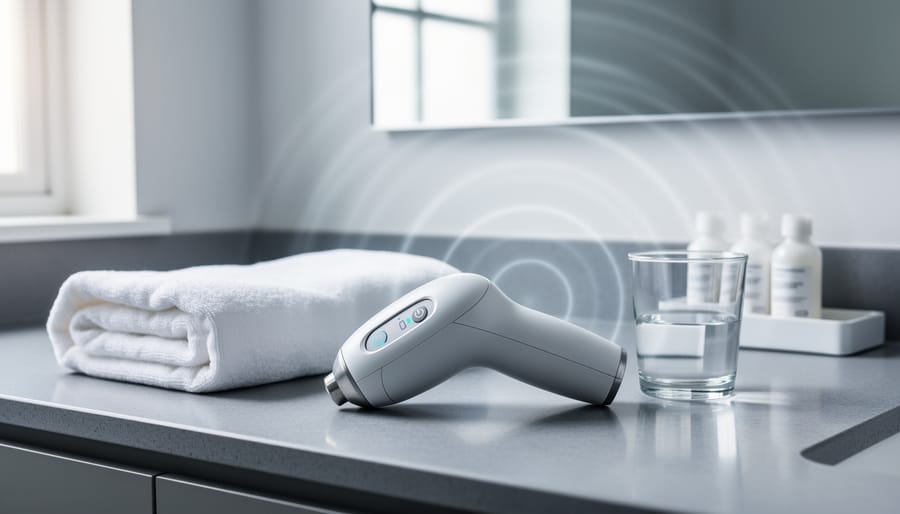
At-home shockwave therapy devices for erectile dysfunction promise a private solution to an intimate problem, but the reality is more complex than the marketing suggests. These handheld devices, which use low-intensity sound waves to stimulate penile tissue and encourage blood flow, are now commercially available to consumers who want to skip the clinic. The appeal is obvious: treat ED discreetly in your own time, without appointments or awkward conversations. But here’s what you need to know upfront: shockwave therapy for ED remains an experimental treatment, not FDA-approved for this use, and there’s a significant difference between the professional-grade equipment used in urologists’ offices and the consumer devices you can buy online.
The clinical treatment, known as low-intensity shockwave therapy (LiSWT), has shown promise in research settings when administered by trained professionals using calibrated equipment. Institutions like University of Utah Health offer it as an option for patients with vascular-related ED. The at-home versions attempt to replicate this approach with smaller, less powerful devices designed for self-administration.
This raises legitimate questions about efficacy, safety protocols, and whether the DIY approach can deliver meaningful results. Before you invest in a device or begin treatment, you need to understand what these machines actually do, how they compare to professional therapy, and why medical consultation isn’t optional. The convenience of home treatment doesn’t eliminate the need for proper diagnosis, and using these devices incorrectly carries real risks.
Understanding Low-Intensity Shockwave Therapy for ED
Low-intensity shockwave therapy uses acoustic waves to treat erectile dysfunction at the vascular level. The clinical term urologists use for this treatment is LiSWT, which stands for low-intensity shockwave therapy. During a session, a healthcare professional applies a small wand-like device to penile tissue, delivering targeted sound waves that stimulate cellular regeneration and encourage improved blood flow.
The treatment aims to address one of the root causes of ED: insufficient blood flow to the penis. Rather than simply masking symptoms like oral medications do, LiSWT attempts to trigger the body’s natural healing response in the penile blood vessels. The sound waves create microtrauma at the cellular level, which theoretically prompts the growth of new blood vessels and improves existing vascular function. This process, called neovascularization, could restore erectile function in men whose ED stems from vascular issues.
Healthcare professionals who treat erectile dysfunction often offer shockwave therapy in their offices despite its experimental status. University of Utah Health, for instance, provides this option for patients suffering from ED. Providers continue to use it off-label because some clinical studies have shown promising results, and men are seeking alternatives to pills or injections. The treatment typically requires multiple sessions over several weeks.
However, shockwave therapy isn’t currently an FDA-approved treatment for ED. It remains classified as experimental, meaning long-term efficacy data and standardized protocols are still being established. This regulatory status becomes particularly important when evaluating at-home devices, which operate in an even less regulated space than professional office treatments. Understanding this foundation helps you make informed decisions about whether and how to pursue shockwave therapy for erectile dysfunction.
Office-Based Treatment vs. At-Home Devices
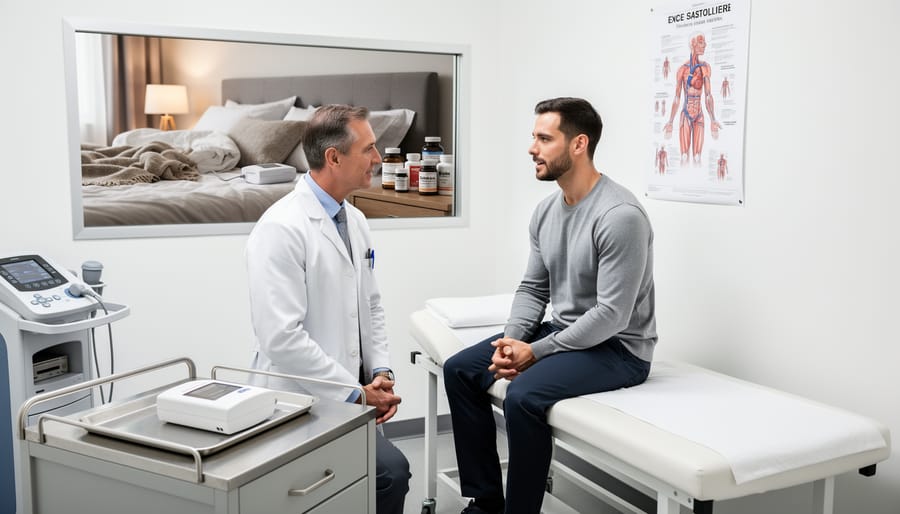
Professional shockwave therapy and at-home devices occupy vastly different positions on the quality and legitimacy spectrum. Understanding these distinctions matters when you’re considering treatment options.
In a clinical setting, urologists and specialized healthcare providers use medical-grade equipment engineered for precise delivery of low-intensity shockwaves. These professional devices feature calibrated energy outputs, sophisticated targeting systems, and consistent performance metrics validated through clinical use. Institutions like University of Utah Health offer shockwave therapy as part of their ED treatment programs, using equipment that meets professional medical standards.
During office-based treatment, a medical professional controls every aspect of the session. They determine the appropriate energy levels for your specific condition, target the precise anatomical zones, and monitor your response throughout. The treatment protocol follows established clinical parameters developed through professional medical experience, even though the therapy itself remains experimental and lacks FDA approval.
At-home devices represent an entirely different category. Companies marketing these products are capitalizing on men’s desire for privacy and convenience, but the devices themselves vary wildly in quality, specifications, and legitimacy. Some manufacturers make bold “cure” claims that professional medical practitioners wouldn’t endorse. The devices may use lower energy outputs, lack precise targeting capabilities, or employ technology that differs significantly from clinical equipment.
The regulatory landscape compounds these differences. While professional shockwave therapy is offered off-label by licensed healthcare providers who can assess your suitability and monitor outcomes, at-home devices operate in a largely unregulated market. No FDA-approved at-home shockwave device exists specifically for ED treatment.
Treatment protocols diverge sharply too. In-office sessions follow structured regimens with specific intervals between treatments, adjusted based on your response and medical history. With an at-home device, you’re responsible for determining frequency, intensity, and duration without professional guidance or the expertise to recognize complications.
The supervision gap represents the most significant difference. A urologist can identify contraindications, adjust treatment if problems emerge, and integrate shockwave therapy into a comprehensive ED management strategy. At home, you’re navigating experimental treatment alone, without the safety net of immediate medical intervention if something goes wrong.
What You’ll Need for At-Home Treatment
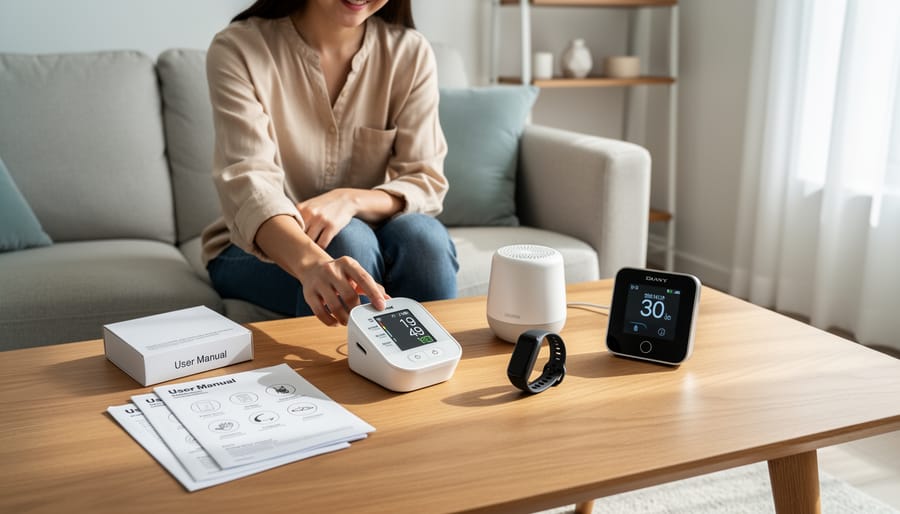
The market for at-home shockwave therapy devices has expanded rapidly, but navigating it requires careful attention to what you’re actually buying. Unlike the medical-grade equipment used in professional settings, where urologists employ calibrated devices designed specifically for low-intensity shockwave therapy, consumer devices vary dramatically in quality, technical specifications, and legitimacy.
When evaluating an at-home device, you’ll need to scrutinize several critical factors:
- Device specifications listing output intensity, frequency range, and whether it’s designed for penile tissue treatment
- Manufacturer credentials and whether the company has any medical device history or regulatory clearances
- Clear instructions for treatment protocols, including session duration, intensity settings, and frequency
- Conductive gel or coupling medium recommended by the manufacturer for proper sound wave transmission
- Documentation of any clinical testing or third-party verification of the device’s claims
- Realistic guidance about expected outcomes rather than promises of “curing” ED
The reality is stark: many devices marketed for at-home use haven’t undergone the rigorous testing that professional equipment requires, and some companies make sweeping claims that professional urologists would never support. You’re essentially entering an unregulated market where a $300 device might deliver nothing close to what clinical low-intensity shockwave therapy provides.
Before purchasing anything, research the manufacturer thoroughly. Look for companies that acknowledge the experimental nature of shockwave therapy for ED rather than those promising guaranteed results. Check whether the device has any FDA registration (even if shockwave therapy itself isn’t FDA-approved for ED) and whether the company provides transparent technical specifications rather than marketing buzzwords.
If a device’s claims sound too good to be true, particularly promises of permanent cures or results without medical supervision, that’s your signal to walk away.
Critical Safety Warnings and When to Stop

Before attempting any form of shockwave therapy for erectile dysfunction, you need to understand the risks and limitations. This treatment remains experimental and lacks FDA approval, which means you’re venturing into territory without the regulatory safeguards that govern standard medical procedures.
Do not attempt at-home treatment if you have certain pre-existing conditions. Men with bleeding disorders, those taking blood thinners, or individuals with active infections in the genital area should avoid this therapy entirely. If you have penile implants, Peyronie’s disease, or a history of priapism, this treatment could cause complications. The same applies if you’re using a pacemaker or have other implanted electronic devices, as the shockwaves may interfere with their function.
The experimental status means we don’t have comprehensive long-term safety data. Potential side effects include bruising, pain or discomfort during and after treatment, temporary numbness, skin irritation, and worsening of erectile function in some cases. While professional treatments use calibrated medical-grade equipment, at-home devices vary wildly in quality and power output.
Stop treatment immediately if you experience severe pain, bleeding, significant bruising that doesn’t resolve within a few days, or any sudden worsening of erectile function. Persistent numbness, unusual swelling, or signs of infection (redness, warmth, discharge) require urgent medical attention. If your symptoms change dramatically in either direction, you need to get a medical evaluation to determine what’s happening.
Be extremely wary of devices making “cure” claims or promising guaranteed results. Legitimate medical professionals describe this as an experimental treatment option with potential benefits, not a proven cure. Companies that market their at-home devices as a definitive solution for ED, claim FDA approval when none exists, or discourage you from seeking professional medical care are displaying red flags you shouldn’t ignore.
The bottom line: your health and safety depend on professional oversight. At-home devices cannot replace proper diagnosis and treatment planning by a qualified healthcare provider who understands your complete medical history.
Step-by-Step Treatment Protocol
Before attempting any at-home shockwave therapy protocol, recognize that you’re working with consumer-grade equipment that differs substantially from the medical devices used in professional settings. Clinical LiSWT involves calibrated machinery, trained operators, and supervised application, advantages you won’t have at home. That said, if you’ve consulted with a healthcare provider and decided to proceed with a home device, following a structured approach minimizes risk and maximizes whatever potential the treatment offers.
Start by thoroughly reading your device’s manual and watching any manufacturer-provided instructional videos. Each at-home unit has specific operational requirements, and assumptions based on general knowledge can lead to misuse. Charge the device fully, ensure all attachments are clean, and gather any recommended supplies like water-based conductive gel, which facilitates sound wave transmission through skin.
Choose a private, comfortable space where you can relax without interruption. Anxiety and tension can interfere with circulation, undermining the treatment’s vascular goals. Most protocols recommend performing sessions when you’re calm and not rushed.
- Clean the treatment area with mild soap and water, then pat dry completely. Apply a thin layer of conductive gel to the penile shaft if your device requires it.
- Power on the device and set it to the manufacturer’s recommended starting intensity level, always begin at the lowest setting for your first session, regardless of what seems appropriate.
- Hold the wand perpendicular to the skin and move it slowly along the shaft in overlapping passes, covering all sides methodically. Maintain steady, gentle contact without pressing hard.
- Treat each section for the duration specified in your device instructions, typically 15-20 minutes total for the entire treatment area. Professional protocols often involve multiple passes at various angles.
- After completing the session, clean the device according to manufacturer guidelines and store it properly. Note the date, intensity level, and any observations in a treatment log.
Most at-home protocols suggest two to three sessions per week for several weeks, mirroring the frequency of office-based treatment. However, consumer devices deliver significantly lower energy levels than medical equipment, raising questions about whether this frequency achieves meaningful vascular effects.
Pay attention to how your body responds after each session. Mild temporary redness is common, but persistent discomfort, bruising, numbness, or any worsening of erectile function signals you should stop immediately and consult a physician. Remember that shockwave therapy, whether professional or at-home, remains experimental, and many men exploring ED treatment options ultimately find better results with proven approaches under medical supervision.
Post-treatment care is minimal but important. Avoid sexual activity for a few hours after each session to let tissues recover. Stay hydrated and maintain overall cardiovascular health through exercise and proper nutrition, as shockwave therapy’s theoretical benefits depend on your body’s ability to respond to vascular stimulation.
How to Verify Results and When to Seek Professional Care
Tracking your response to at-home shockwave therapy requires honest self-assessment and patience. Because this remains an experimental treatment, professional medical evaluation is the only reliable way to confirm whether vascular function has actually improved. That said, you can monitor certain indicators while understanding that subjective improvements don’t necessarily reflect physiological changes.
Keep a simple log noting erection quality, spontaneity of morning erections, and overall sexual function before starting treatment and throughout the course. Most men who respond to professional low-intensity shockwave therapy report gradual changes over weeks to months, not immediate results. If you’re using an at-home device, the same timeline applies, expect a minimum of four to six weeks before noticing any potential improvement. Document your baseline carefully, because the tendency to overestimate progress is real when you’re invested in a treatment’s success.
However, symptom tracking alone can’t confirm whether the therapy is working at a vascular level. A digital ED clinic or urologist can perform objective assessments like penile Doppler ultrasound to measure actual blood flow changes. Without these clinical measures, you’re essentially guessing.
You should seek professional care immediately if you experience:
- Persistent pain, bruising, or swelling after sessions
- New numbness or reduced sensitivity in genital tissue
- Worsening erectile function or complete loss of function
- No improvement whatsoever after eight to twelve weeks of consistent treatment
- Any concerning changes in penile appearance or urinary symptoms
Don’t wait months hoping an ineffective at-home device will eventually work. If you see zero progress within three months, transition to office-based professional treatment where medical-grade equipment and expert supervision can deliver the therapy as clinically intended. Your healthcare provider can also determine whether shockwave therapy is appropriate for your specific case or whether other ED treatments would serve you better.
Common Questions About At-Home Shockwave Therapy
Is at-home shockwave therapy as effective as office treatment?
Office-based treatment uses medical-grade equipment administered by trained professionals who can adjust intensity and placement with precision, while at-home devices vary widely in quality and power. Since both approaches involve experimental treatment without FDA approval, there’s no clinical data comparing their effectiveness directly, but professional oversight provides better assurance of proper technique and safety.
How much do at-home devices typically cost?
At-home devices marketed for ED treatment range considerably in price depending on the manufacturer’s claims and device specifications. Be cautious of extremely low-cost options that may lack proper testing, and remember that a higher price doesn’t guarantee effectiveness or safety for an experimental treatment.
How long does a treatment course last?
Clinical protocols using low-intensity shockwave therapy typically involve sessions over several weeks, though specific schedules vary. At-home device manufacturers may suggest different timelines, but without standardized protocols or FDA approval, there’s no established treatment duration proven effective.
Can at-home shockwave therapy replace other ED treatments?
No, you shouldn’t view shockwave therapy as a replacement for established ED treatments without consulting your doctor. This experimental approach may potentially complement other therapies, but decisions about your treatment plan require proper ED provider guidance based on your specific health situation.
The experimental status of shockwave therapy for erectile dysfunction means you’re entering territory without the regulatory safeguards that FDA approval provides. This lack of approval doesn’t necessarily mean the treatment is unsafe or ineffective, but it does mean that manufacturers haven’t demonstrated safety and efficacy through the rigorous clinical trials required for approval. You’re essentially taking on more risk and uncertainty than you would with established ED medications or devices that have cleared regulatory hurdles.
Results from shockwave therapy, whether office-based or at-home, aren’t considered permanent solutions. The treatment aims to improve vascular function and blood flow in penile tissue, potentially providing sustained improvement over time, but individual responses vary significantly. Some men may experience benefits that last months, while others see minimal or temporary effects. The experimental nature of the therapy means there’s limited long-term data on how durable any improvements might be, making ongoing medical supervision essential for tracking your response and adjusting your overall ED treatment strategy.
At-home shockwave therapy devices represent an emerging market response to men seeking private ED treatment options, but the reality remains straightforward: this is experimental medicine, whether performed in a urologist’s office or attempted at home. Neither approach has earned FDA approval, and the gap between professional-grade clinical equipment and consumer devices marketed for home use can be substantial.
Your health deserves more than experimentation based on marketing claims. Before purchasing any device or attempting treatment, consult a clinician who specializes in sexual health. A qualified healthcare provider can assess your specific situation, discuss the experimental nature of shockwave therapy honestly, and help you understand how it might fit, if at all, within a comprehensive treatment strategy that could include proven interventions.
The convenience of at-home treatment holds genuine appeal, but convenience should never override safety or effectiveness. If you decide to explore shockwave therapy, do so under professional guidance rather than as a solo venture. The best outcomes in managing erectile dysfunction come from informed decisions made alongside medical experts who prioritize your long-term health over quick fixes.